

Delving into ESG and Insurance: What Modern Businesses Must Consider, this introduction immerses readers in a unique and compelling narrative, with a casual formal language style that is both engaging and thought-provoking from the very first sentence.
Exploring the realm of ESG and its impact on the insurance industry opens up a world of possibilities for modern businesses seeking to align their practices with sustainable principles.
Understanding ESG in Insurance

ESG, which stands for Environmental, Social, and Governance, is a set of criteria used to assess a company's performance in these critical areas. In the insurance industry, ESG has become increasingly significant as businesses are expected to operate in a socially responsible and sustainable manner.
Significance of ESG in Insurance
- ESG factors play a crucial role in determining the long-term sustainability and profitability of insurance companies.
- By incorporating ESG principles, insurers can mitigate risks, enhance their reputation, and attract socially conscious investors.
- Insurance companies that ignore ESG considerations may face regulatory challenges and reputational damage in the current business landscape.
How ESG Influences Modern Business Practices
- ESG considerations influence investment decisions, product development, risk management strategies, and stakeholder engagement in insurance companies.
- Insurers are increasingly focusing on climate change, diversity and inclusion, data privacy, and ethical governance practices to align with ESG principles.
- Customers, employees, and investors are placing greater emphasis on ESG performance, driving insurance companies to integrate these factors into their operations.
Key Considerations for Integrating ESG Principles
- Developing ESG policies and frameworks to guide decision-making processes within the insurance company.
- Engaging with stakeholders and conducting regular ESG assessments to identify areas for improvement and ensure transparency.
- Integrating ESG criteria into underwriting, investment strategies, and corporate governance structures to align with sustainability goals.
ESG Reporting and Compliance
ESG reporting and compliance are crucial aspects for insurance companies looking to align with sustainable practices and meet regulatory requirements. By adhering to ESG standards, insurers can enhance their risk management strategies and improve their overall performance.
Regulations and Standards
- Insurance companies are often required to report on their ESG practices to regulatory bodies, such as the European Insurance and Occupational Pensions Authority (EIOPA) or the Sustainable Insurance Forum (SIF).
- Global standards like the Task Force on Climate-related Financial Disclosures (TCFD) provide guidelines for disclosing climate-related risks, helping insurers assess and manage their exposure.
ESG Compliance Frameworks
- The Principles for Sustainable Insurance (PSI) developed by the UN Environment Programme Finance Initiative offer a comprehensive framework for integrating ESG factors into insurance operations.
- The Global Reporting Initiative (GRI) provides a reporting framework that insurance companies can use to disclose their ESG performance transparently.
Challenges and Opportunities
- Challenges may include the lack of standardized ESG reporting requirements, making it difficult for insurers to compare performance across the industry.
- Opportunities arise from increased stakeholder interest in ESG issues, which can lead to better risk assessment, product innovation, and long-term sustainability for insurers.
Impact of ESG on Risk Management

ESG factors play a crucial role in shaping the landscape of risk management within the insurance industry. By incorporating Environmental, Social, and Governance considerations into their risk assessment processes, insurance companies can better understand and mitigate potential risks while also identifying new opportunities for growth and innovation.
Strategies for Incorporating ESG Criteria into Risk Modeling and Underwriting Processes
- Integrating ESG data and metrics into risk models to enhance the accuracy of risk assessments.
- Developing specific underwriting guidelines that consider ESG factors when evaluating risks associated with insured assets or operations.
- Collaborating with ESG specialists or consultants to ensure a comprehensive approach to risk management that aligns with sustainability goals.
Correlation between ESG Performance and Insurance Risk Profiles
- Companies with strong ESG performance tend to exhibit lower operational risks, leading to potentially lower insurance premiums.
- Insurance providers may offer more favorable terms to businesses with robust ESG practices, reflecting reduced risk exposure.
- Improved ESG performance can signal a company's commitment to long-term sustainability, influencing insurers' perceptions of risk management effectiveness.
ESG Investing and Products
ESG investing plays a crucial role in shaping insurance products and portfolios in today's business landscape. As environmental, social, and governance factors continue to gain prominence, insurers are increasingly incorporating ESG considerations into their investment strategies to manage risks and drive sustainable growth.
Demand for ESG-focused Insurance Products
- The demand for ESG-focused insurance products is on the rise, driven by growing awareness among consumers and businesses about the importance of sustainability and ethical practices.
- Consumers are increasingly seeking insurance solutions that align with their values and support initiatives aimed at addressing pressing environmental and social challenges.
- Businesses are also recognizing the benefits of ESG-focused insurance products in enhancing their reputation, mitigating risks, and attracting socially responsible investors.
Innovative ESG Insurance Solutions
- Insurers are developing innovative ESG insurance solutions that offer a range of benefits for stakeholders, including improved risk management, lower volatility, and enhanced long-term financial performance.
- Products such as green insurance, ESG-linked policies, and impact investing solutions are gaining traction in the market, providing customers with options to support sustainability goals while protecting their assets.
- By integrating ESG criteria into underwriting processes and investment decisions, insurers can not only meet evolving regulatory requirements but also drive positive social and environmental outcomes.
Last Word
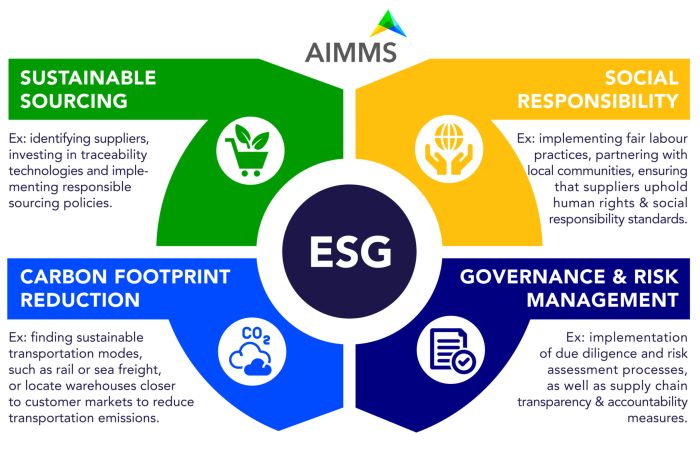
In conclusion, the intersection of ESG and insurance presents a landscape rich with challenges and opportunities for forward-thinking companies. By considering the key aspects discussed, businesses can navigate this evolving terrain with confidence and foresight.
Query Resolution
How do ESG factors influence modern business practices?
ESG factors impact modern business practices by shaping decision-making processes, risk assessments, and overall sustainability strategies.
What are some examples of ESG compliance frameworks for insurance companies?
Examples of ESG compliance frameworks include the UN Principles for Sustainable Insurance (PSI) and the Task Force on Climate-related Financial Disclosures (TCFD).
Why is there a growing demand for ESG-focused insurance products?
Consumers and businesses are increasingly prioritizing sustainability and ethical considerations, leading to a surge in demand for ESG-focused insurance products.

